Exploring the Crucial Role of the IUCN Red List in Global Wildlife Conservation
In a world where humans are increasingly disconnected from nature, the IUCN Red List stands as a beacon of hope and awareness for wildlife conservation. It is more than just a list; it is a comprehensive tool created by the International Union for Conservation of Nature that assesses the conservation status of plant and animal species globally. Have you ever wondered what it truly means when a species is classified as 'endangered'? The IUCN Red List provides critical insights into what threatens our planet's biodiversity and governs a path toward conservation efforts that can be both pragmatic and effective.
The IUCN Red List is not just a catalog of threatened species; it reflects years of ecological studies and rigorous species evaluation. With its classifications ranging from 'Least Concern' to 'Extinct', the Red List serves as a crucial biodiversity assessment tool. Its categories allow scientists and conservationists to prioritize efforts toward species recovery and habitat conservation. Imagine if the next time you visited a forest or a national park, you could confidently point out species that contribute to the richness of those ecosystems while understanding their need for protection. This is the impact the Red List aims to create, making biodiversity conservation a community affair.
Each entry on the IUCN Red List tells a story; a story of resilience and survival against the odds. A compelling quote from renowned conservationist Dr. Jane Goodall reminds us, "What you do makes a difference, and you have to decide what kind of difference you want to make." Every time we take the time to learn about endangered flora and fauna or participate in wildlife preservation efforts, we align ourselves with this mission for environmental sustainability. As individuals, we can contribute to habitat protection by adopting eco-friendly practices in our daily lives, like reducing plastic use or planting native species in our gardens.
One of the most pressing challenges for the IUCN and wildlife experts today is understanding the climate change impact on various species. With shifting weather patterns and extreme conditions becoming common, many ecosystems are at risk. The Red List not only catalogs these species but also tracks population trends, helping conservation biologists target interventions in biodiversity hotspots. Have you ever noticed how a hike in nature can leave you feeling rejuvenated? That’s not merely a coincidence—healthy ecosystems provide us benefits in the form of clean air, water, and even recreational opportunities. Protecting them is crucial to maintaining that connection.
For those interested in diving deeper, the IUCN Red List can be a starting point for conservation education and awareness. Schools, nature groups, and organizations often use the information as a launchpad for discussions on environmental protection, biodiversity management, and sustainability practices. The more we spread awareness about endangered species, the more we can recruit allies in the fight for wildlife habitats preservation. So why not take this moment to educate yourself about the IUCN Red List? It might just ignite a passion for safeguarding our planet and its incredible biodiversity for future generations.
How the IUCN Red List Shapes Global Biodiversity Strategies
In a rapidly changing world where the delicate balance of nature hangs by a thread, the role of the IUCN Red List cannot be overstated. The International Union for Conservation of Nature, known as IUCN, has become the beacon of hope for countless species around the globe. Through its meticulous biodiversity assessment, the IUCN Red List informs us about the conservation status of various species, guiding our efforts in wildlife conservation. But how does the Red List actually shape global biodiversity strategies? Let’s embark on this journey to uncover its significance and impact.
Imagine waking up to a world without the roar of lions or the flutter of butterflies. A scenario that seems far-fetched, yet closer than we think. The IUCN Red List serves as a critical reminder about which species are hanging by a thread, facing imminent extinction. By categorizing species into defined categories like 'critically endangered,' 'endangered,' and 'vulnerable,' it provides clarity on where conservation efforts are desperately needed. It’s not just about saving endangered flora and fauna; it’s about preserving our planet's ecosystems, ensuring species recovery, and maintaining biodiversity hotspots that are vital for ecological balance.
As we delve deeper into the realm of conservation biology, the importance of habitat protection comes to light. The IUCN fosters an understanding that the survival of threatened species is intrinsically linked to the preservation of their habitats. This insight sparks vital discussions around habitat conservation and wildlife habitats—areas in which both local and international communities can engage in eco-friendly practices. With the climate change impact looming large, sustaining these habitats becomes a matter of urgency. What steps are you taking in your daily life to combat this threat?
The IUCN Red List doesn’t just provide a snapshot of species evaluation and their conservation statuses; it is a foundational tool for creating effective biodiversity management strategies. The data collected through ecological studies influence government policies and conservation programs worldwide. By shining a light on the need for environmental protection and sustainability practices, it encourages collaboration among nations, organizations, and communities. Have you ever wondered how your local policies align with global conservation goals?
In this intricate web of life, the significance of education cannot be overlooked. Conservation education fosters environmental awareness and mobilizes individuals to become advocates for species conservation. By engaging in discussions and actions that promote biodiversity conservation, we can all contribute to a greater cause. Remember, every small effort counts. What action will you take today to protect the native species in your area? Let the IUCN Red List inspire your path toward making a meaningful impact in the world of wildlife preservation.
Navigating Conservation Efforts: The Impact of the IUCN Red List on Wildlife Preservation
Have you ever wondered how many species are on the brink of extinction? The IUCN Red List, created by the International Union for Conservation of Nature, serves as a crucial barometer for the status of species around the globe. It documents the conservation status of various plants and animals, highlighting the urgent need for action and awareness in the ongoing fight against biodiversity loss. As we delve into the impact of this vital resource on wildlife preservation, let’s explore how the Red List informs conservation efforts and why it is essential for saving endangered flora and fauna.
Imagine walking through a forest that once teemed with life, only to discover that half of the original species have vanished. This dystopian scene is increasingly likely if we don't prioritize biodiversity conservation. The IUCN's assessments help to shine a spotlight on threatened species, guiding environmental protection initiatives and shaping policy decisions on habitat conservation. Through partnerships and proactive measures, conservation biology seeks to halt the alarming decline of native species while nurturing healthy ecosystems—part of our shared responsibility to protect wildlife habitats.
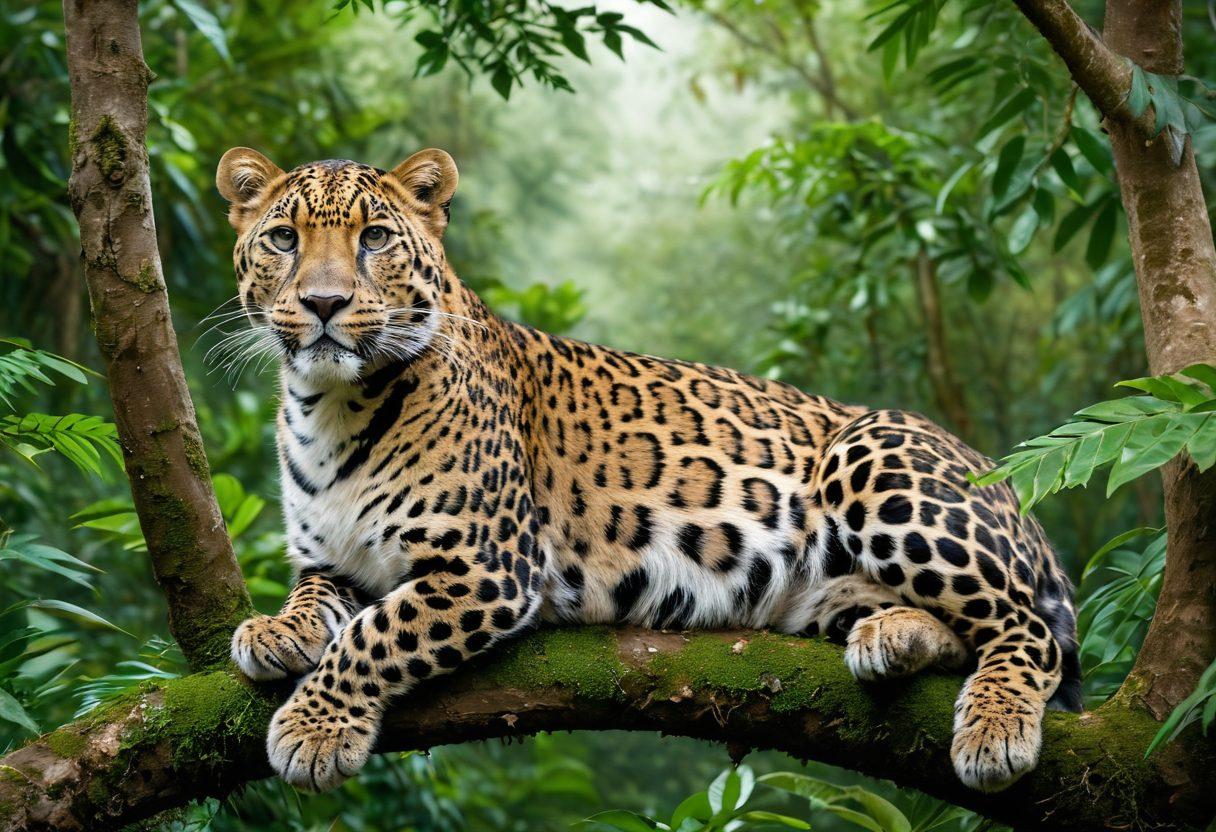
The consequences of ignoring the Red List data can be catastrophic. For instance, the plight of the Amur leopard—a critically endangered species—has spurred worldwide efforts to ensure its survival. Conservation strategies, crafted through ecological studies and species evaluations found in the Red List, emphasize not just direct actions such as anti-poaching but also habitat protection. So, how can we, as individuals, participate in these sustainability practices? Supporting local conservation organizations or adopting eco-friendly practices in our everyday lives can make a significant difference. Every action counts when it comes to species recovery.
What's exciting about the Red List is that it goes beyond just listing endangered species; it educates and raises environmental awareness. The information it provides leads conservationists and the public alike to understand the implications of climate change impacts on biodiversity hotspots. The preservation of these critical areas is paramount in maintaining ecological balance. By learning more about the interconnectedness of ecosystems and the importance of species diversity, we can advocate for effective biodiversity management and assert our commitment to wildlife conservation.
In a world where environmental sustainability is often sidelined, the IUCN Red List serves as a clarion call for change. It informs not only governmental policy and funding but also grassroots movements aimed at protecting threatened species. By recognizing the natural world's fragility and embracing conservation education, we begin to appreciate how our choices affect the planet. So, take a moment—what role do you see yourself playing in this global effort? Through understanding and action, we can collectively ensure that future generations will inherit a world thriving with diverse wildlife and rich ecosystems.